A single social media comment cost a UnitedHealthcare employee her job — and ignited a firestorm over free speech, corporate overreach, and the consequences of digital impulsivity. The comment? “Aww, they missed.”
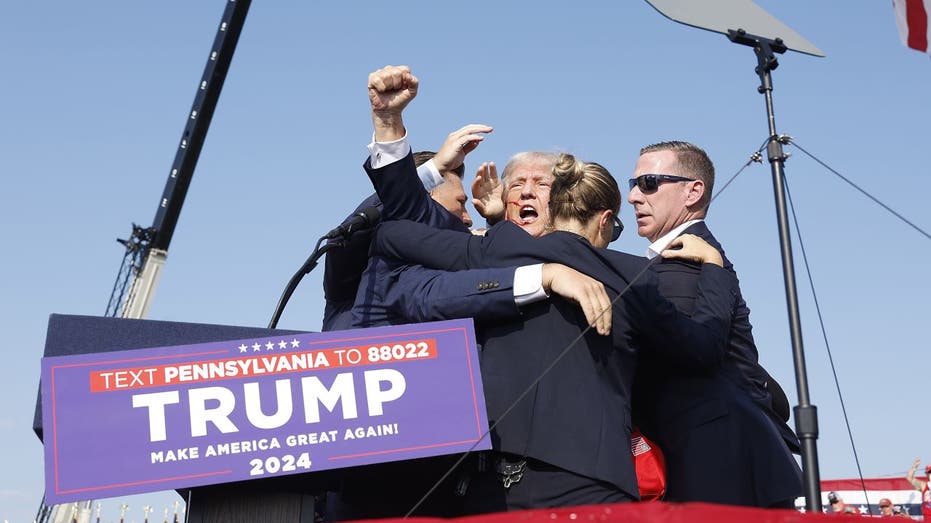
Posted in response to news of the July 2024 assassination attempt on former President Donald Trump, the phrase spread rapidly online, drawing both ridicule and sympathy. But for UnitedHealthcare, it crossed a line. The woman, whose identity has not been officially confirmed by the company, was reportedly terminated shortly after internal reports surfaced about her post.
This incident isn’t just about one employee or one company. It’s a case study in how personal expression, public events, and employer policies collide in the digital age — and why HR departments now police social media with forensic precision.
The Incident: What Was Said and How It Spread
The phrase “Aww, they missed” surfaced on X (formerly Twitter) within hours of the shooting at Trump’s rally in Butler, Pennsylvania. It was posted by a user whose bio listed employment with UnitedHealthcare. The tone — sarcastic, flippant, and emotionally detached — immediately triggered outrage.
Within 48 hours, screenshots flooded conservative media, Reddit threads, and Fox News segments. Critics labeled it a reflection of liberal disdain for political figures. Supporters claimed it was taken out of context, arguing it expressed dark humor, not genuine intent.
UnitedHealthcare moved quickly. A spokesperson confirmed the company "investigated the matter and took appropriate employment action," a standard corporate euphemism for termination. No further details were given, but the message was clear: even off-duty social media behavior can have career-ending consequences.
Why UnitedHealthcare Acted So Fast
Large corporations, especially in regulated sectors like healthcare, are hypersensitive to brand reputation. UnitedHealthcare, as part of UnitedHealth Group, handles sensitive patient data and operates under strict compliance frameworks. Any association with political violence — even indirect or perceived — poses reputational and operational risks.
Consider this: - UnitedHealthcare partners with government programs like Medicare and Medicaid. - It faces constant scrutiny from regulators and public watchdogs. - Its employees are expected to uphold neutrality, especially in customer-facing roles.
A viral post suggesting indifference to political violence, regardless of intent, undermines that neutrality. The company didn’t just act to protect its image — it acted to preempt regulatory discomfort and client distrust.
But speed came at a cost. Critics argue the response lacked due process. Was the post meant seriously? Was it private? Did the employee have a history of misconduct? Without transparency, the termination fuels suspicion of political bias or over-policing of speech.
Free Speech vs. Employer Rights: Where’s the Line?
The U.S. Constitution protects free speech from government censorship — not from employer consequences. Private companies can, and regularly do, discipline employees for off-duty behavior.
But this case highlights a growing tension: - Employees assume social media is a personal space. - Employers treat it as an extension of professional conduct.
Legal precedent supports UnitedHealthcare’s position. In NLRA Section 7, employee speech is protected only when it relates to "concerted activity for mutual aid or protection" — like organizing a union. Political commentary, especially when controversial, isn’t shielded.
Still, ethics matter. Was firing the only option? Could a warning, retraining, or suspension have sufficed? Some labor experts argue that termination for a single post — absent threats or harassment — sets a dangerous precedent.
On the flip side, companies can’t be expected to tolerate statements that could reasonably be interpreted as endorsing violence, even sarcastically. Context doesn’t always travel well online.
How Social Media Policies Are Changing Workplace Rules
Most companies now include social media conduct in employee handbooks. UnitedHealthcare’s policy, like many, likely includes clauses like: > “Employees must avoid posting content that could harm the company’s reputation or create the appearance of bias.”
But policies are only as strong as their enforcement. This incident proves companies are now using AI-powered monitoring tools and internal reporting systems to flag potentially damaging content — sometimes before it goes viral.
Common red flags include: - Mentions of political violence - Use of dehumanizing language - Posts linking employment to controversial opinions
HR teams increasingly conduct digital audits during disciplinary investigations. A single tweet can trigger a full review of an employee’s online footprint.
For workers, the lesson is clear: assume your employer can and will see what you post — and judge you by it.
Real-World Impact: Beyond One Termination
This case isn’t isolated. Similar incidents have happened across industries: - A teacher in Florida was placed on leave for a pro-Palestinian Instagram story. - A Google engineer was fired after circulating an internal memo on gender diversity. - A hospital worker in Ohio lost her job over a meme mocking vaccine mandates.
In each case, the trigger wasn’t workplace behavior — it was digital expression.
But the UnitedHealthcare case is different in scale and symbolism. It involved a near-fatal attack on a major political figure, making the comment feel more charged. It also exposed how public sentiment can influence corporate discipline. Did UnitedHealthcare fire the woman because of the comment’s content — or because it became a political lightning rod?
That ambiguity is dangerous. When discipline appears reactive to public pressure, it erodes trust in internal processes. Employees begin to wonder: Am I being judged by policy, or by politics?
Employer Best Practices: Balancing Discipline and Fairness For companies navigating these waters, a structured approach minimizes risk and maintains morale. Here’s what responsible employers should do:
1. Clarify Social Media Expectations Handbooks should define acceptable online behavior with real examples. Vague language invites inconsistent enforcement.
2. Investigate Before Acting Was the post public or private? Was it satire? Did the employee apologize? Context matters — even if the optics are bad.
3. Apply Policies Consistently If one employee is fired for a political post, others must face equal scrutiny. Selective enforcement breeds claims of bias.
4. Offer Corrective Action First Termination should be a last resort. Warnings, training, or short suspensions can correct behavior without ending careers.
5. Protect Anonymous Reporting Employees should feel safe reporting concerns without fear of retaliation — from coworkers or management.
6. Train Managers on Digital Ethics Supervisors need guidance on how to respond to employee posts without escalating situations.

UnitedHealthcare may have followed protocol, but it missed an opportunity to model transparency. A public explanation — without naming the employee — could have clarified its reasoning and reinforced its values.
Employee Survival Guide: What You Should Do Differently
You don’t have to be silent online. But you do need strategy. Follow these rules:
- Assume Everything Is Public
- Even private accounts can be screenshotted and shared. If you wouldn’t say it in a staff meeting, don’t post it.
- Avoid Hot-Button Topics at All Costs
- Politics, religion, and social movements are landmines — especially when tied to violence or trauma.
- Use Humor Cautiously
- Sarcasm rarely translates online. “Aww, they missed” may have been meant as dark comedy, but it reads as callous to many.
- Separate Personal and Professional Identity
- Don’t list your employer in bios. Avoid tagging or mentioning your workplace in political posts.
- Pause Before Posting
- Wait 24 hours before sharing emotionally charged content. Ask: Could this cost me my job?
One impulsive comment can follow you for years. Career damage from social media is often permanent — even if the post is deleted.
The Bigger Picture: A Wake-Up Call for Digital Citizenship
This isn’t just about UnitedHealthcare. It’s about a cultural shift. We’re living in an era where digital footprints are permanent, context is fragile, and public outrage moves faster than HR.
Employers have a duty to protect their organizations. Employees have a right to personal expression. The challenge is finding equilibrium.
But in high-stakes environments — healthcare, education, government — neutrality isn’t optional. It’s a requirement.
The woman who wrote “Aww, they missed” may have intended irony. But in the court of public opinion — and corporate policy — intent rarely wins. Impact does.
Closing: Think Before You Post — Every Time
One phrase. One job lost. One national debate sparked.
The UnitedHealthcare case should serve as a sobering reminder: your social media account isn’t just a personal outlet — it’s a professional extension of your identity. In minutes, a joke can become a scandal, a comment can become a career-ender.
Companies will protect their brand. Regulators will demand compliance. Public opinion will amplify missteps.
Your best defense? Discipline. Distance. And a simple question before every post: Is this worth risking everything?
Because in today’s world, it might be.
FAQ Did UnitedHealthcare confirm the employee’s identity? No. The company confirmed disciplinary action was taken but did not release the employee’s name or role.
Was the comment illegal? No. The post did not constitute a true threat, so it wasn’t a criminal act. However, it violated internal conduct policies.
Can employees be fired for social media posts made off-duty? Yes. Private employers can discipline employees for off-duty speech if it harms the company’s reputation or operations.
Has UnitedHealthcare faced backlash over this decision? Yes. Critics argue the firing was excessive, while others support the company’s stance on maintaining neutrality.
Could the employee sue for wrongful termination? Unlikely. At-will employment laws in most states allow termination for any non-discriminatory reason, including social media activity.
What should employees do if they’re reported for a post? Cooperate with internal investigations, avoid deleting content (which may be seen as destruction of evidence), and seek legal advice if needed.
Are there protections for political speech at work? Very limited. The First Amendment doesn’t apply to private employers, and most political speech isn’t protected under labor laws.
FAQ
What should you look for in UnitedHealthcare Worker Fired Over Trump Assassination Comment? Focus on relevance, practical value, and how well the solution matches real user intent.
Is UnitedHealthcare Worker Fired Over Trump Assassination Comment suitable for beginners? That depends on the workflow, but a clear step-by-step approach usually makes it easier to start.
How do you compare options around UnitedHealthcare Worker Fired Over Trump Assassination Comment? Compare features, trust signals, limitations, pricing, and ease of implementation.
What mistakes should you avoid? Avoid generic choices, weak validation, and decisions based only on marketing claims.
What is the next best step? Shortlist the most relevant options, validate them quickly, and refine from real-world results.