Hollywood doesn’t bring people back because they’ve improved. It brings them back because we remember them—fondly, fuzzily, through the haze of time. Matthew Lillard knows this better than most. When he says, “I don’t think anyone really likes me—they just miss the old times,” he’s not being self-deprecating. He’s diagnosing a cultural engine.
And he’s right: nostalgia isn’t just a mood. It’s a business model.
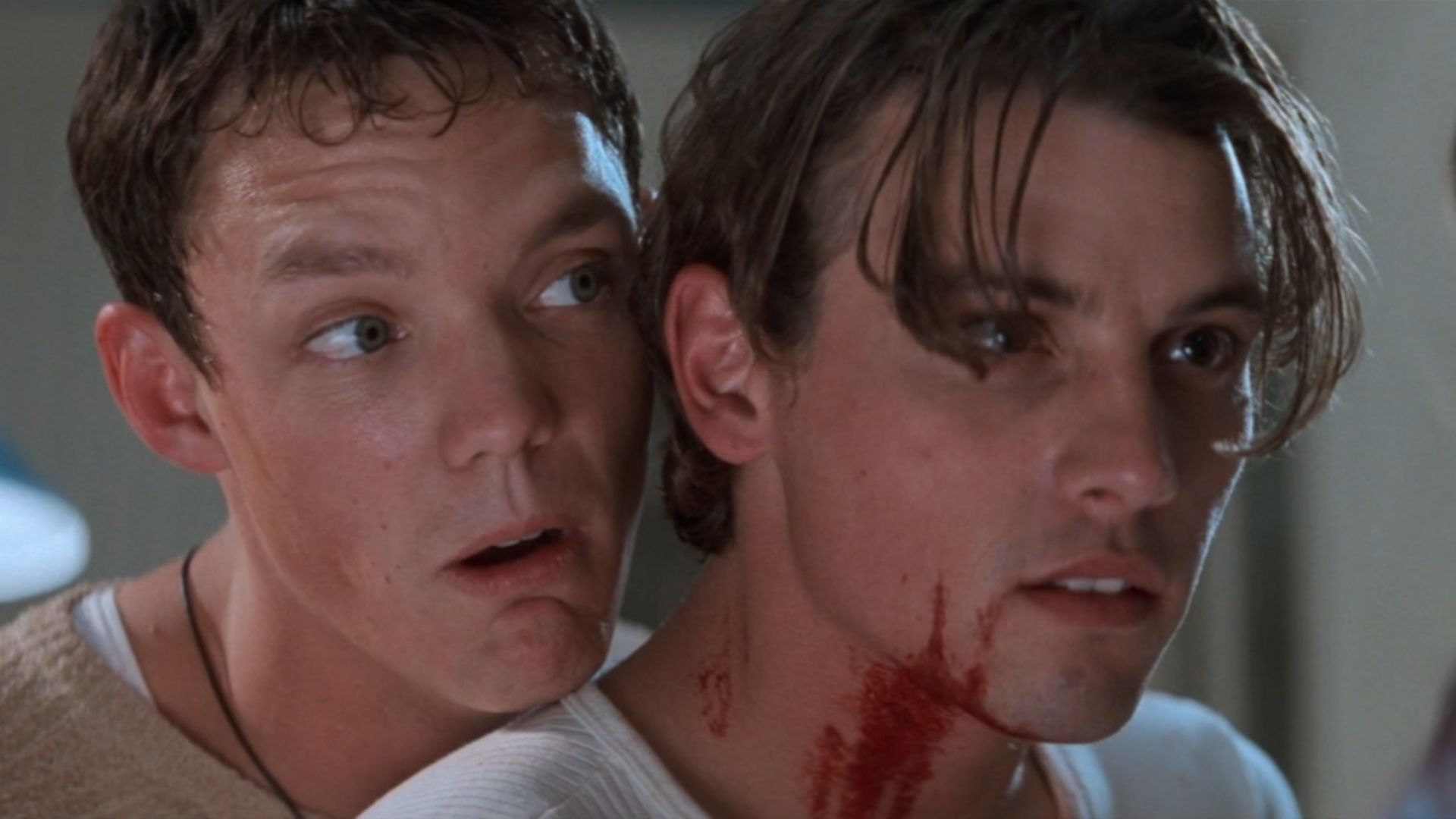
From Scream to Scooby-Doo, from indie darling to genre icon, Lillard has had a career shaped less by linear momentum and more by cultural memory. His recent return to the spotlight—especially in the new Scream sequels—wasn’t sparked by a viral performance or a Cannes win. It was sparked by recognition. By memory. By the ghost of a lanky, wide-eyed, twitchy-stoner-kid who screamed louder than anyone in 1996.
Now, he’s back. Not as a reinvention. As a callback.
The Nostalgia Economy Is Hiring—And Lillard Knows the Paycheck
Nostalgia isn’t just emotional. It’s actuarial. Studios run the numbers: audiences over 35 have disposable income and sentimental attachments. Reintroducing characters from the '90s and early 2000s isn’t risky—it’s low-hanging fruit with built-in marketing.
Matthew Lillard, with his unmistakable voice, awkward charm, and legacy role as Stu Macher in Scream, is prime real estate in that economy.
When the 2022 Scream sequel brought him back—not as a flashback, but as a central emotional pivot—it wasn’t just fan service. It was strategy. Audiences didn’t just want to see Ghostface. They wanted to see him. The guy who made horror fun. The guy who died screaming in a phone booth, pants around his ankles.
And he knows it.
“I don’t think anyone really likes me,” Lillard said. “They just miss the old times.” That line cuts deep—not because it’s sad, but because it’s true for so many legacy actors. Hollywood isn’t hiring them for their range or recent work. It’s hiring them for their imprint.
Stu Macher Never Left: How One Role Defines a Career
You can’t talk about Matthew Lillard without talking about Stu. It’s not reductive—it’s reality. For a generation, Stu Macher is Matthew Lillard.
The character was chaotic, funny, and ultimately monstrous. But audiences didn’t hate him. They remembered him. And in a franchise built on meta-commentary and self-awareness, bringing back a character presumed dead—via twist, hallucination, or legacy—was a masterstroke.
Lillard’s return in Scream (2022) wasn’t a cameo. It was a narrative device. Through hallucinations and audio clips, his presence loomed over the new cast. Not because the story needed Stu. Because the audience needed closure.
And that’s where Lillard’s statement lands with weight: Hollywood isn’t bringing him back because he’s in demand. It’s bringing him back because the audience is in demand—of memory.
Actors like Lillard aren’t just performers. They’re emotional anchors. Time capsules. When you hear that voice—nasal, frantic, oddly endearing—you’re not just seeing an actor. You’re time-traveling.
From Scream to Scooby: The Duality of Being Typecast (and Loving It)
Here’s the irony: Lillard’s two most iconic roles—Stu Macher and Shaggy Rogers—are both high-pitched, jittery, comic-relief characters who scream a lot.
Scooby-Doo (2002) was a live-action gamble. But Lillard didn’t phone it in. He leaned into Shaggy’s stoner absurdity with commitment and charm. The film was panned, but his performance became cult-favorite iconic.
And again—nostalgia brought him back.

When Warner Bros. launched animated sequels and spin-offs, Lillard returned to voice Shaggy repeatedly. Not because there was a shortage of voice actors. Because fans wanted that voice. The same one that squealed “Like, zoinks!” in 2002.
Typecasting could have buried him. Instead, it gave him staying power.
“I don’t think anyone really likes me,” he says. But they like Shaggy. They like Stu. And in Hollywood, that’s often enough.
The Dark Side of Nostalgia: What Happens
When the Hype Fades?
Nostalgia is a powerful tide—but it recedes.
Actors who ride the wave of revival face a quiet dilemma: can they survive after the callback?
Lillard has spent years working steadily—on TV, indie films, voice roles. But mainstream attention flares brightest when the IP does. Scream hits theaters? Lillard’s on talk shows. The franchise cools? He slips back under the radar.
That’s the risk of being beloved for a moment rather than a body of work.
Consider other '90s figures: some transitioned to directing, producing, or character acting. Others became perpetual guests at conventions, living off memories and autograph lines. Lillard seems aware of the trap.
His honesty about nostalgia suggests self-awareness—but also resignation. He’s not bitter. He’s just clear-eyed: this resurgence isn’t about him. It’s about us. About what we miss.
And that clarity might be his greatest strength.
The Psychology of Fan Longing: Why
We Bring Actors Back
We don’t just miss the characters. We miss the versions of ourselves who first watched them.
When a 38-year-old sees Matthew Lillard on screen today, they’re not just seeing an actor. They’re remembering being 14, watching Scream at a sleepover, scared and exhilarated. That emotional resonance is what studios exploit—and what actors like Lillard navigate.
Nostalgia isn’t just about fondness. It’s about identity. We return to these figures because they mark chapters in our lives.
And Hollywood knows this.
Revivals, reboots, legacy sequels—they’re not just for profit. They’re comfort food. Familiar faces in uncertain times. In an era of algorithmic content and fleeting virality, there’s safety in the known.
Lillard isn’t just a performer in this cycle. He’s a symbol of it.
Voice Work and the Quiet Reinvention
While film roles ebb and flow, Lillard has built a second career in voice acting—most notably as Shaggy in dozens of animated Scooby-Doo projects.
This isn’t just repetition. It’s evolution.
Over time, he’s deepened Shaggy beyond the stoner caricature. In some iterations, Shaggy is brave, loyal, even heroic. Lillard’s vocal range—once seen as a limitation—has become a tool.
And here’s where his current relevance diverges from pure nostalgia: he’s not just rehashing. He’s expanding.
Voice work offers actors longevity precisely because it doesn’t demand physical presence—only recognition and adaptability. Lillard has both.
Even when the live-action roles dry up, the voice remains. And with it, the connection.
Can Legacy Be a Launchpad?
Is it possible to use nostalgia as a springboard—not a cage?
For some, yes. Think of Jamie Lee Curtis in Halloween (2018). She didn’t just return as Laurie Strode. She redefined her. The comeback wasn’t just a nod. It was a statement.

Lillard hasn’t had that moment yet. But his role in Scream (2022) hints at potential. As a spectral figure guiding the new generation, he represented both past and present. Not just a memory—but a warning.
If the franchise continues, there’s room for him to evolve beyond the ghost of Stu. Maybe as a mentor. Maybe as a villain reborn. Maybe as something entirely new, built on—but not bound by—the past.
That’s the challenge: to ride the wave of nostalgia without drowning in it.
The Truth in His Words: A Rare Honesty in Hollywood
What makes Lillard’s statement so striking isn’t its cynicism. It’s its clarity.
In an industry of spin and self-promotion, he’s admitting a quiet truth: fame is often temporary, affection is often impersonal, and comebacks are rarely about merit alone.
“I don’t think anyone really likes me—they just miss the old times.”
That’s not self-loathing. It’s insight.
It’s the kind of honesty most actors avoid. But it’s also the kind that builds authenticity. Fans respect it. Critics notice it. And it might, ironically, be what makes him more likable than ever.
Because he’s not pretending.
What’s Next? Riding the Wave
with Eyes Open
So where does Matthew Lillard go from here?
The Scream franchise isn’t done. Voice work remains steady. And his cult status—bolstered by memes, quotes, and endless GIFs of Stu screaming—ensures visibility.
But the path forward isn’t about chasing nostalgia. It’s about shaping it.
He could lean into directing—he’s directed TV episodes before. He could explore darker, more complex roles. Or he could embrace the icon status, touring with Scream events, engaging fans, and owning the legacy.
Whatever he chooses, he’ll do it with the advantage of self-awareness. He knows why Hollywood called. Now, he gets to decide what he does with the call.
And that’s power.
Nostalgia brought Matthew Lillard back. But it’s his honesty, adaptability, and enduring presence that will determine how long he stays. Recognize the trend, but don’t be defined by it. That’s the lesson—not just for actors, but for anyone trying to matter again in a world that remembers them differently.
Act on this: If you're building a personal brand or career revival, don't just rely on past glory. Use it as proof of relevance—but pair it with present value. Be memorable, yes. But also be useful. That’s how legacies evolve.
FAQ
Why is Matthew Lillard being cast again now? He’s being cast largely due to nostalgia, especially tied to the Scream and Scooby-Doo franchises, which are experiencing renewed popularity.
Did Matthew Lillard really say no one likes him? He said, “I don’t think anyone really likes me—they just miss the old times,” highlighting how nostalgia, not personal appeal, is driving his recent roles.
Is Matthew Lillard still acting? Yes, he continues to act in films, TV, and voice roles, particularly in Scooby-Doo animated projects and the Scream franchise.
What was Matthew Lillard’s most famous role? His breakout role was Stu Macher in Scream (1996), followed by Shaggy in the Scooby-Doo live-action films.
Why is nostalgia so powerful in Hollywood? Nostalgia reduces risk—audiences are already attached to familiar characters, making reboots and sequels more marketable and profitable.
Can nostalgia alone sustain an actor’s career? Not long-term. While it opens doors, sustained success requires adaptability, new skills, or expanded roles beyond the original fame.
Has Matthew Lillard directed anything? Yes, he has directed episodes of TV shows like The Middle and Young & Hungry, showing growth beyond acting.
FAQ
What should you look for in Matthew Lillard on Nostalgia and Hollywood’s Comeback Call? Focus on relevance, practical value, and how well the solution matches real user intent.
Is Matthew Lillard on Nostalgia and Hollywood’s Comeback Call suitable for beginners? That depends on the workflow, but a clear step-by-step approach usually makes it easier to start.
How do you compare options around Matthew Lillard on Nostalgia and Hollywood’s Comeback Call? Compare features, trust signals, limitations, pricing, and ease of implementation.
What mistakes should you avoid? Avoid generic choices, weak validation, and decisions based only on marketing claims.
What is the next best step? Shortlist the most relevant options, validate them quickly, and refine from real-world results.