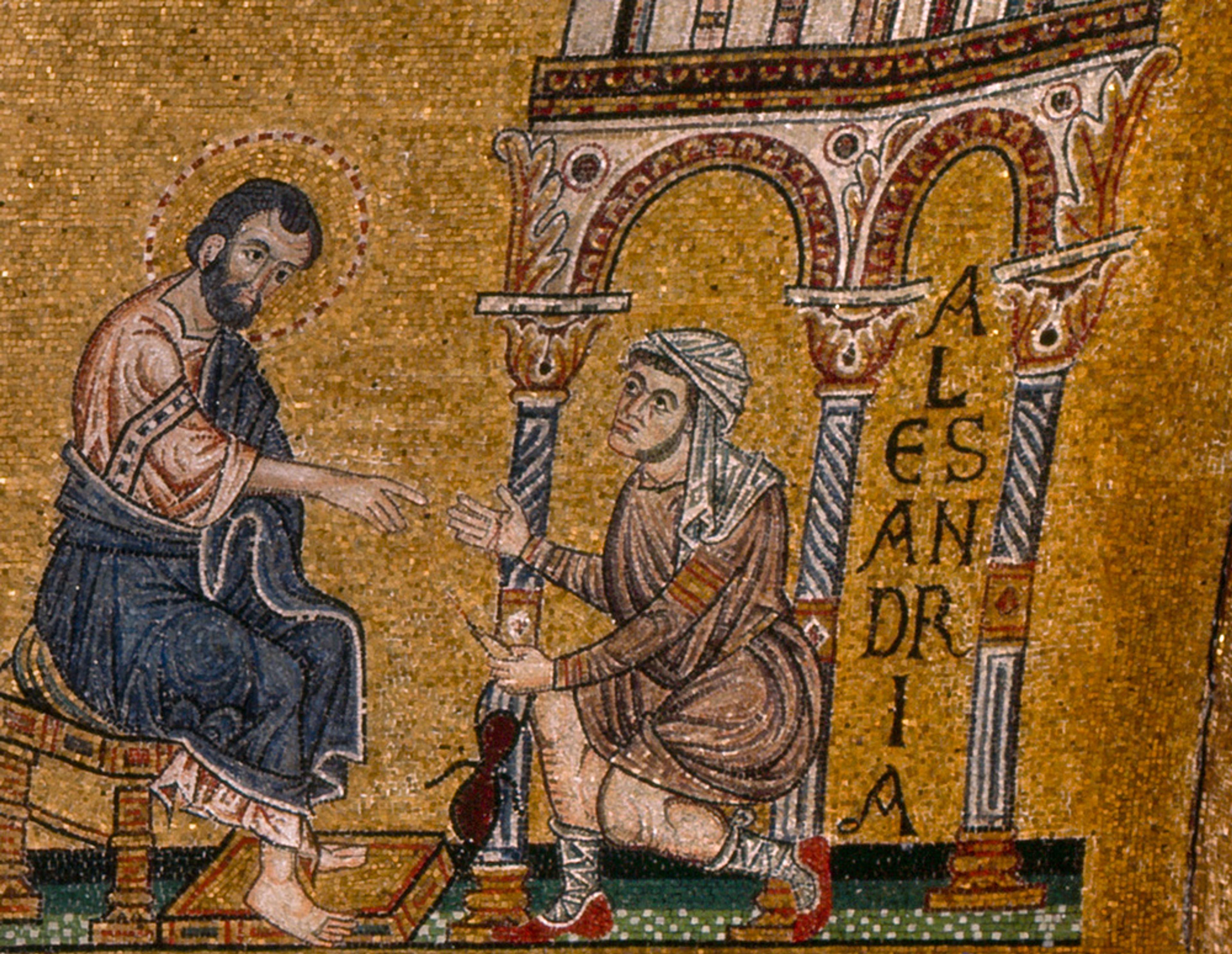
Medieval art didn’t just show bodies—it weaponized them. From emaciated saints to crowned kings, from crucified Christs to monstrous sinners, the human form in the Middle Ages was rarely just flesh. It was a battlefield of divine will and earthly control, a canvas where theology and politics collided. The body wasn’t passive; it was performed, exaggerated, distorted, and glorified to serve higher purposes—spiritual obedience, royal authority, moral instruction.
To understand medieval art is to recognize that every swollen limb, every haloed head, every torn robe carried meaning far beyond anatomy. The body was not private. It was public, politicized, and sacred—simultaneously a vessel for God’s grace and a tool of hierarchical enforcement.
The Body as Divine Vessel: Sacred Anatomy in Religious Art
In medieval Christianity, the physical body was both flawed and essential. Rooted in Augustinian theology, the body was seen as corrupted by original sin, yet capable of redemption through grace. This paradox shaped how bodies appeared in sacred art.
Christ’s body, especially in crucifixion scenes, was rendered not just as suffering, but as theological statement. The Suffering Christ of the 12th and 13th centuries—emaciated, bleeding, eyes closed—differed sharply from earlier triumphant depictions. This wasn’t just realism; it was doctrine made visible. Artists emphasized wounds (the Five Holy Wounds) to highlight the physical reality of Christ’s sacrifice, reinforcing transubstantiation and the Eucharist’s centrality.
Saints’ bodies told similar stories. Look at depictions of Saint Lawrence, roasted on a gridiron—his serene face contrasts with his tortured body, signaling that spiritual glory transcends physical pain. Or Saint Agnes, often shown with a lamb, her body pure, untouched—a living metaphor for chastity and divine favor.
These images weren’t devotional ornaments. They were tools of instruction in a largely illiterate society. Every detail—posture, gesture, color—encoded theological ideas. A raised hand? Blessing. Bound hands? Martyrdom. Nakedness? Either shame or innocence, depending on context.
Practical Insight: Many viewers today misread medieval emaciation as poor technique. In truth, it was theological precision. Thinness signaled asceticism and spiritual victory over the flesh.
Royal Bodies: Power Embodied in Portraiture and Ritual
While religious art sanctified the body, political art institutionalized it. Kings and emperors didn’t just commission portraits—they became icons. Their bodies, in art and ceremony, were instruments of legitimacy.
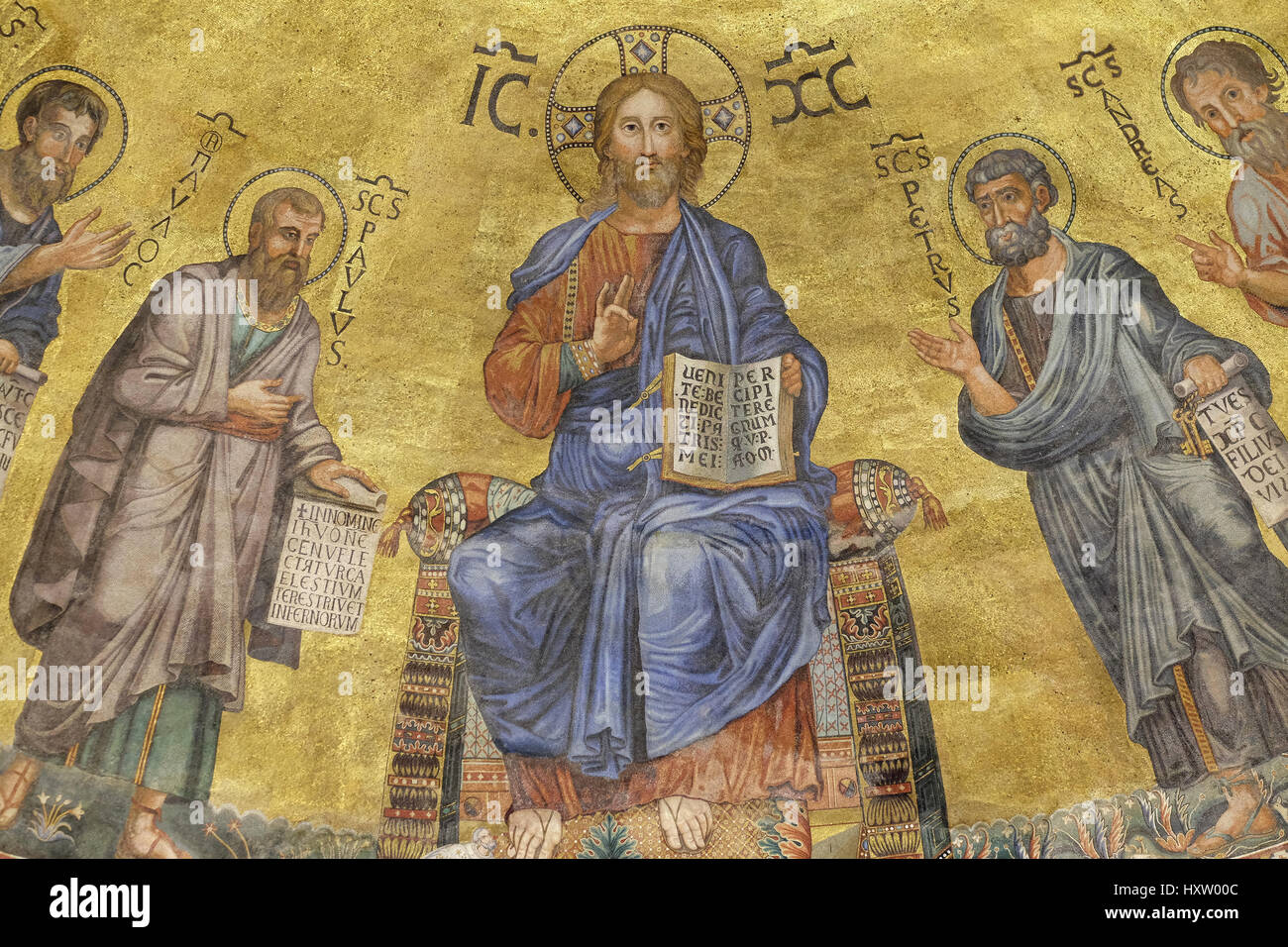
Consider the Coronation of Charlemagne mosaics or the Bayeux Tapestry. In both, rulers are larger than surrounding figures—a visual trope known as hierarchical scaling. Their size isn’t accidental; it reflects divine right. To see the king was to glimpse God’s chosen agent.
Ceremonial objects reinforced this. The Imperial Regalia—crown, orb, scepter—were never just accessories. They were sacred relics that activated the ruler’s body. The moment a crown touched a monarch’s head, the person became the office. Art preserved this transformation.
Even after death, royal bodies remained political. The effigies of English kings in Westminster Abbey—lifelike stone figures with hands clasped in prayer—weren’t mere memorials. They declared eternal devotion, ensuring the king’s soul and legacy remained in divine favor.
Common Mistake: Modern audiences assume medieval portraits aimed for realism. But likeness was secondary to symbolic function. A king’s face might be generic, but his posture—crowned, enthroned, holding orb and sword—spoke volumes.
The Female Body: Contained, Controlled, Canonized
Women’s bodies in medieval art were especially politicized—caught between veneration and suspicion. The Virgin Mary, in all her purity and sorrow, was the ideal. Her body, often elongated, veiled, and still, represented divine motherhood and spiritual receptivity.
But other women? Their bodies were sites of danger. Eve, in countless Last Judgment scenes, is shown naked, often being expelled by an angel while Adam covers himself. Her body is the origin of sin—curved, tempting, flawed.
Meanwhile, female saints like Saint Catherine or Saint Margaret were often depicted in moments of torture—naked, bound, yet serene. Their suffering purified their bodies, transforming them from sexual threats into holy vessels.
The double standard was stark: male saints could be wild, unkempt, even grotesque (like St. Jerome with his lion), but female holiness required modesty, stillness, and control.
Workflow Tip: When analyzing female figures in medieval art, ask: Is her body being protected or punished? The answer reveals whether she’s aligned with divine grace or worldly sin.
Monstrous and Marginal Bodies: The Politics of the Other
Not all bodies in medieval art were human—or meant to be. Grotesques, gargoyles, and marginal figures in manuscripts often depicted deformed, hybrid, or exaggerated bodies. These weren’t decorative whimsy.
They were moral and political warnings. In The Luttrell Psalter, peasants are shown with bloated bellies, distorted limbs, or engaged in crude acts. These images mocked the lower classes, reinforcing social hierarchy.
Similarly, Jewish figures in Passion scenes were often caricatured—hook-nosed, dark-skinned, sneering—dehumanizing them to justify persecution. The body became a marker of religious and racial otherness.
Even demons had coded bodies: bestial, inverted, sexually ambiguous—opposites of the ideal Christian form. Their presence in church carvings and manuscripts reminded viewers of eternal damnation awaiting those who defied Church and crown.
Limitation Note: Modern interpretations sometimes romanticize marginal art as subversive. But most scholars agree: these images upheld power, not challenged it.
Healing, Pain, and the Body as Spiritual Test
Pain wasn’t just punishment in medieval thought—it was purification. Healing miracles, frequently depicted in church frescoes and stained glass, reinforced this idea.
In scenes of Saint Blaise healing a boy with a fishbone, or Saint Cosmas and Damian transplanting a leg, the body was a site of divine intervention. Physical ailments were often read as spiritual failings; healing proved God’s favor.
Monastic art took this further. Images of self-flagellation, fasting, and prayer showed bodies disciplined to near collapse. The Flagellation of Christ wasn’t just about suffering—it set a model for believers. To suffer was to draw closer to God.
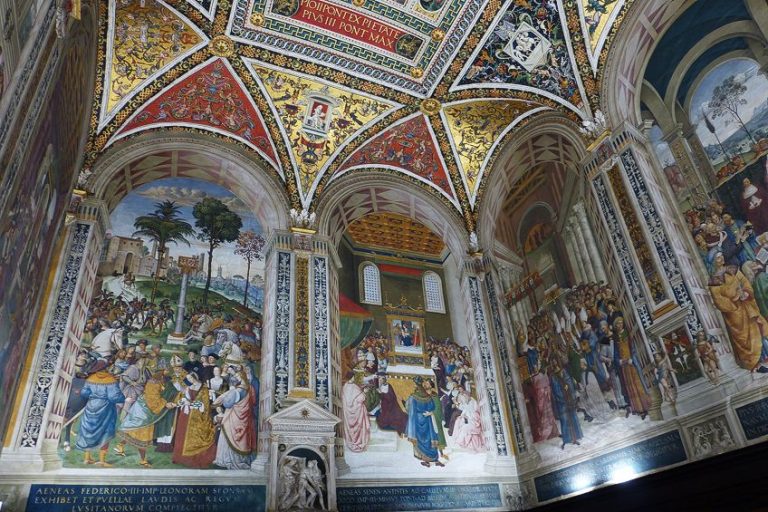
This theology extended to relics—the preserved body parts of saints. A finger, a skull, a scrap of cloth: these were not souvenirs. They were conduits of power. Pilgrims traveled for miles to touch them, believing the saint’s sanctified body could heal their own.
Realistic Use Case: Visit a cathedral like Chartres or Santiago de Compostela. The stained glass doesn’t just tell stories—it guides pilgrims through a bodily experience of faith, from darkness to light, pain to redemption.
Art as Control: How Institutions Shaped the Body
The Church didn’t just inspire art—it directed it. Ecclesiastical authorities issued guidelines on how figures should be depicted. The Byzantine Canon, for example, regulated proportions, gestures, and colors to ensure doctrinal consistency.
Art was pedagogy. The Last Judgment fresco in the Church of Saint-Savin-sur-Gartempe shows souls being weighed—the saved rising, the damned dragged to hell by demons. Bodies in motion, yet every movement is a moral choice made visible.
Similarly, cathedrals themselves were bodily metaphors. The nave as spine, the transept as arms—Gothic churches were “bodies of Christ,” with worshippers moving through them like blood through veins.
Editorial Insight: Medieval art wasn’t created for beauty’s sake. It was functional. A painting that failed to instruct, intimidate, or inspire was a failure.
Conclusion: The Body Was Never Just Flesh
Medieval art transformed the body into a language. Every wound, gesture, and garment carried weight. To depict a king was to affirm divine order. To show a saint was to model piety. To render a demon was to warn of sin.
Today, we often view medieval art through romantic or primitive lenses. But its creators were not naive. They understood the power of imagery in shaping belief, obedience, and identity.
If you want to understand the Middle Ages, stop looking at the text alone. Look at the bodies. They’re where theology met power—and where both left their mark.
Study them closely. The lines aren’t just paint or stone. They’re doctrine. They’re control. They’re survival.
FAQ
Why are Christ’s wounds so emphasized in medieval art? To affirm the physical reality of the Incarnation and support Eucharistic theology—Christ’s body was truly present in the sacrament.
Did medieval artists care about anatomical accuracy? Not in the Renaissance sense. Proportion served symbolism—divine figures were larger, sinners distorted, saints ethereal.
How were disabled bodies represented? Often as objects of pity or divine healing. Rarely as subjects of dignity—though some saints with impairments were venerated.
Were all royal portraits idealized? Yes. Likeness mattered less than the symbols of power—crown, throne, divine approval—regardless of the ruler’s actual appearance.
Why are monsters common in medieval manuscripts? They represented moral and spiritual dangers, reinforcing social and religious boundaries.
Did women have any agency in how their bodies were depicted? Rarely. Female sanctity required purity and passivity. Any deviation risked being labeled heretical or seductive.
Can modern viewers truly understand these images? Only with context. Without knowing the theological and political stakes, the body’s meaning in medieval art is easily misread.
FAQ
What should you look for in How Medieval Art Turned the Body Into Sacred Power? Focus on relevance, practical value, and how well the solution matches real user intent.
Is How Medieval Art Turned the Body Into Sacred Power suitable for beginners? That depends on the workflow, but a clear step-by-step approach usually makes it easier to start.
How do you compare options around How Medieval Art Turned the Body Into Sacred Power? Compare features, trust signals, limitations, pricing, and ease of implementation.
What mistakes should you avoid? Avoid generic choices, weak validation, and decisions based only on marketing claims.
What is the next best step? Shortlist the most relevant options, validate them quickly, and refine from real-world results.