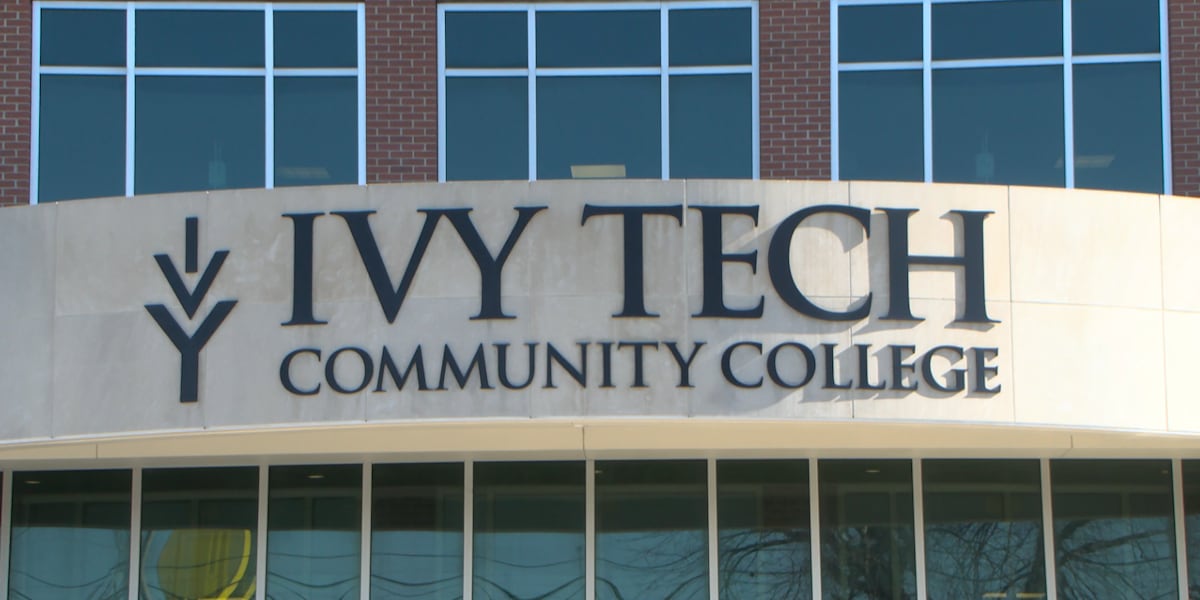
For many in southwestern Indiana, the barrier to career advancement isn’t ambition—it’s access. Traditional four-year degrees are costly, time-consuming, and often misaligned with regional job needs. Ivy Tech Community College in Evansville cuts through that noise with practical, employer-informed programs that launch students into stable, well-paying fields in as little as a few months to two years.
Rooted in workforce responsiveness, Ivy Tech Evansville delivers career-focused education with low entry barriers and high return on investment. Whether you're a recent high school graduate, a working adult seeking advancement, or someone pivoting careers, the college’s programs are structured to meet real labor market demands—from immediate-entry certifications to transferable associate degrees.
Let’s break down what makes Ivy Tech Evansville a strategic choice—and which programs deliver the strongest outcomes.
Why Ivy Tech Evansville Stands Out
Ivy Tech isn't just another community college. As Indiana’s largest public postsecondary institution, it operates with the agility of a trade school and the academic rigor of a degree-granting college. The Evansville campus specifically tailors its programming to regional economic drivers: advanced manufacturing, healthcare, logistics, and information technology.
Key differentiators: - Low cost: Tuition is a fraction of four-year schools, with in-district rates as low as $117 per credit hour. - Open access: No minimum GPA or test scores required for admission. - Fast completion: Many programs can be finished in under a year. - Industry partnerships: Employers like Deaconess Health System, Berry Global, and Amazon help shape curriculum and hire graduates. - Stackable credentials: Students can earn certificates on the way to full degrees, entering the workforce sooner and advancing over time.
This isn’t theoretical education. It’s training built for job placement.
Top In-Demand Programs at Ivy Tech Evansville
Not all programs are created equal. Ivy Tech Evansville prioritizes fields with strong local hiring, wage growth, and low risk of automation. Here are the most impactful offerings:
#### Nursing and Allied Health
Healthcare dominates Evansville’s job market, and Ivy Tech is the region’s top producer of frontline health workers.
Popular pathways: - Practical Nursing (PN): A 12-month certificate leading to licensure as an LPN. Graduates often advance to RN roles through Ivy Tech’s bridge program. - Associate Degree in Nursing (ADN): Prepares students for RN licensure. Clinical rotations occur at Deaconess and Ascension hospitals. - Medical Assisting: 9-month program combining administrative and clinical skills. Graduates work in clinics, urgent care centers, and outpatient facilities. - Radiologic Technology: 21-month program training students in diagnostic imaging. High placement rate with regional imaging centers.
Reality check: Many students begin in the Nurse Aide program ($499 tuition, 8 weeks), get hired immediately, then use employer tuition assistance to continue to LPN or RN.
#### Advanced Manufacturing and Skilled Trades
Evansville’s industrial base—plastics, automotive, aerospace—relies on technicians who understand automation, CNC systems, and precision measurement.
Key programs: - Industrial Maintenance Technology: Covers hydraulics, pneumatics, and predictive maintenance. Graduates earn $20–$28/hour starting. - Welding Technology: Hands-on training in SMAW, GMAW, and TIG welding. Emphasis on AWS certification. - Computer-Aided Drafting & Design (CADD): Prepares students for roles in engineering support and manufacturing design. - Electrical Technology: Focuses on industrial controls, PLCs, and electrical systems in production environments.

Pro tip: Many students secure paid apprenticeships during the program via partnerships with companies like Mead Johnson and Toyota Logistics.
#### Information Technology
Tech jobs aren’t just in big cities. Evansville’s hospitals, manufacturers, and logistics firms need IT support, cybersecurity, and network specialists.
Standout options: - IT Support Specialist: 10-month certificate teaching hardware, software, networking, and customer support. Aligns with CompTIA A+. - Cybersecurity: 2-year degree focused on threat detection, risk management, and secure systems. Includes hands-on labs and incident response simulations. - Programming: Covers Python, Java, and database fundamentals. Graduates work in software support, data entry automation, and internal development teams.
Common mistake: Students skip internships. Ivy Tech’s IT students who complete work-based learning are 3x more likely to be hired full-time upon completion.
#### Business and Professional Studies
Not every career requires a technical skillset. Ivy Tech offers applied business programs with real-world relevance.
Programs include: - Business Administration (A.S.): Designed to transfer to a four-year university. Also useful for small business owners or supervisors. - Accounting Technology: Focuses on QuickBooks, payroll, and tax preparation—skills in demand at local firms. - Supply Chain Management: Leverages Evansville’s logistics hub status. Covers warehousing, inventory systems, and transportation.
Workflow insight: Many students combine Business Administration with an IT or healthcare certificate, creating hybrid roles like medical office manager or IT procurement analyst.
#### Human Services and Education
For those drawn to helping professions, Ivy Tech offers accessible pathways into high-need fields.
Options: - Early Childhood Education: Prepares students to work in childcare centers or preschools. Includes observation hours in local programs. - Human Services: Trains case managers, outreach workers, and behavioral health aides. Often leads to roles in nonprofits or government agencies.
These programs emphasize practical communication, ethics, and crisis response—skills that translate across social service roles.
How to Choose the Right Program
With so many options, students often freeze at the decision point. The key is alignment—between personal strengths, job market data, and lifestyle needs.
Use this evaluation framework:
- Earnings potential: Check Indiana’s online wage database (NextLevelJobs.org). Compare median wages for LPNs vs. medical assistants vs. phlebotomists.
- Entry speed: How soon can you start working? Nurse Aide: 8 weeks. ADN: 2 years. Prioritize programs with early credentialing.
- Schedule flexibility: Do you need evening, online, or hybrid classes? Programs like Business and IT offer more online options than hands-on fields like welding.
- Physical demands: Welding and nursing require stamina. IT and business are less physically taxing.
- Career ladder: Can you grow from this role? For example, an Industrial Maintenance Tech can become a lead technician or move into engineering tech roles.
Avoid choosing based on vague interest (“I like computers”)—match your choice to specific job titles and employer needs.
Support Services That Make Completion Possible
Program quality matters, but so does support. Ivy Tech Evansville offers tools that help students—especially non-traditional ones—succeed.

Available resources: - Academic coaching: One-on-one planning for time management, study skills, and course selection. - Career services: Resume workshops, mock interviews, and job fairs with regional employers. - Financial aid counseling: Help navigating Pell Grants, WIOA funding, and employer reimbursement. - Child care assistance: Limited subsidies for qualifying students with dependents. - Tutoring centers: Free subject-specific help, including math and writing labs.
Students who engage with support services are 50% more likely to complete their programs.
Transfer and Advancement Opportunities
While many Ivy Tech graduates enter the workforce directly, others use the Evansville campus as a launchpad.
Pathways include: - Transfer to 4-year schools: Ivy Tech has articulation agreements with University of Southern Indiana, Purdue Global, and others. Business, IT, and some science students commonly transfer with junior status. - Certification stacking: A welding student might later add CNC Machining or Supervisory Leadership to move into management. - Employer tuition aid: Companies like Amazon and FedEx reimburse employees for Ivy Tech courses in logistics, IT, and business.
The “two-year degree as final goal” mindset is outdated. Think instead of Ivy Tech as your career platform—one that evolves with your goals.
Realistic Outcomes: What Graduates Actually Earn
Promises mean little without data. According to Indiana’s Commission for Higher Education, Ivy Tech Evansville graduates see measurable results.
Notable outcomes (3-year average): - Nursing (ADN): 92% job placement, median starting wage $27/hour - Industrial Maintenance: 85% placement, median wage $22/hour - IT Support: 78% placement, median wage $19/hour - Medical Assisting: 80% placement, median wage $17.50/hour
These numbers reflect actual W-2 employment—not self-reported surveys. And because programs are short, students reach positive ROI quickly.
A $10,000 investment in an 18-month program earning $45,000/year beats a $60,000 debt for a degree with no job guarantee.
Getting Started: No Perfect Time, Just the Right Step
You don’t need perfect grades, a clear five-year plan, or a gap year to begin. At Ivy Tech Evansville, the most common starting point is “I need a better job.”
- Here’s how to begin:
- Visit ivytech.edu/evansville and explore program pages.
- Attend a New Student Orientation—it’s free and required for enrollment.
- Meet with an advisor to discuss goals, financial aid, and class sequence.
- Apply for admission—takes 10 minutes online.
- Enroll in your first term—classes start in August, January, and May.
No essay. No SAT. Just a decision to move forward.
Ivy Tech Evansville doesn’t promise overnight success. But it does offer a proven, affordable path into careers that pay bills, build stability, and open doors. For many in this region, that’s exactly what education should be.
FAQ
What is the most affordable program at Ivy Tech Evansville? The Nurse Aide program is one of the most affordable at $499, including books and certification exam fees.
Can I attend Ivy Tech Evansville online? Yes—programs like Business, IT, and General Studies offer fully online options. Hands-on fields (nursing, welding) require in-person labs.
Are there scholarships available? Yes. In addition to federal aid, Ivy Tech Evansville offers institutional scholarships, workforce grants (WIOA), and employer partnerships.
How long does it take to complete a degree? Certificates: 6–12 months. Associate degrees: typically 2 years full-time, but many students attend part-time.
Does Ivy Tech Evansville help with job placement? Yes. Career services host job fairs, connect students with employers, and maintain hiring relationships with regional companies.
Can I transfer my credits to a four-year college? Absolutely. Ivy Tech has transfer agreements with several Indiana universities—especially in business, IT, and general education.
Do I need a high school diploma to enroll? Yes, or a GED. Some dual-credit options are available for high school students.
FAQ
What should you look for in Ivy Tech Evansville Programs: Your Path to Career Success? Focus on relevance, practical value, and how well the solution matches real user intent.
Is Ivy Tech Evansville Programs: Your Path to Career Success suitable for beginners? That depends on the workflow, but a clear step-by-step approach usually makes it easier to start.
How do you compare options around Ivy Tech Evansville Programs: Your Path to Career Success? Compare features, trust signals, limitations, pricing, and ease of implementation.
What mistakes should you avoid? Avoid generic choices, weak validation, and decisions based only on marketing claims.
What is the next best step? Shortlist the most relevant options, validate them quickly, and refine from real-world results.